Chihuahua Clipart Review
As a designer who spends more time staring at stitch density charts and fabric swatches than scrolling through social media, I approach every new digital asset with a healthy dose of skepticism. The market is flooded with generic clipart, but when I stumbled upon this Chihuahua Clipart, I decided to put it through the wringer. I don’t just want pretty pictures; I need assets that translate beautifully from screen to needle. This review breaks down how this Illustrations category entry performs as a functional machine embroidery design for real-world applications, specifically looking at its viability for small business owners, Etsy sellers, and craft fair vendors.
First Impressions: Personality Meets Practicality
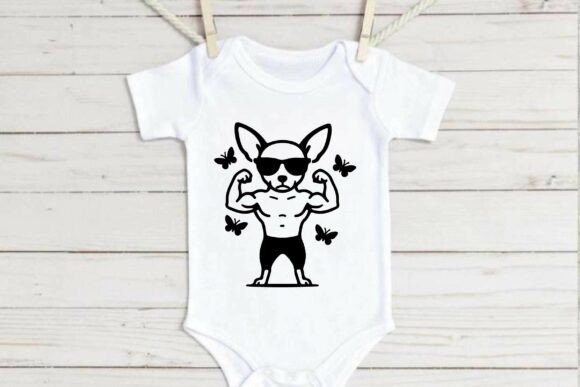
The immediate draw of this Chihuahua Clipart is its distinct visual personality. In the world of embroidery project design, character is everything. A generic dog shape often feels flat, but this design carries an attitude that reads clearly even before the first stitch is thrown. For designers looking to create personalized gift items or boutique branding, capturing emotion quickly is crucial. This piece delivers that punchy, recognizable vibe instantly.
From a layout perspective, the composition feels balanced. It isn’t cluttered with unnecessary background noise that might get lost in the stitching process. This simplicity is a huge plus for an embroidery file intended for quick production runs. Whether you are designing for a craft business or creating one-off custom apparel, the clean lines suggest that the final finished product will look polished rather than chaotic. It sits comfortably in the realm of high-quality Graphics that serve as a strong foundation for further customization.
Real-World Application: Where Does It Shine?
To truly judge an asset, you have to imagine it on actual products. Here is how I see this Chihuahua Clipart performing across various categories:
- Custom Apparel & Sweatshirts: The bold nature of the design makes it ideal for chest logos on hoodies or back prints on sweatshirts. It has enough presence to stand out against fleece textures without feeling overwhelming.
- Tote Bag Design: Canvas bags are a staple for Etsy sellers. This design translates well to sturdy fabrics, offering a cute yet trendy aesthetic that appeals to dog lovers and everyday shoppers alike.
- Baby Embroidery: There is a growing market for adorable animal themes in nursery decor and baby clothes. This clipart’s friendly demeanor works perfectly for onesies, bibs, or blanket edges, provided the scale is adjusted correctly.
- Embroidered Patch: If you are making detachable patches for denim jackets or backpacks, the clear outline of this design allows for a clean applique border or dense satin edge, giving it a professional, badge-like finish.
- Holiday Embroidery: With minor adjustments, such as adding a Santa hat element via separate layers (if available), this could easily be repurposed for Christmas stockings or winter hats, tapping into seasonal sales spikes.
The versatility here is key. It’s not just a static image; it’s a versatile design asset that can anchor a collection of related products, from kitchen towels to pillow covers.
Technical Considerations for Stitching
While the visual appeal is strong, a designer’s job is to ensure technical feasibility. When converting this digital embroidery file into stitches, several factors come into play. First, consider the stitch density. Chihuahuas have fine fur details, but in embroidery, too much detail can lead to puckering or thread breaks. You will likely need to rely heavily on satin stitch for outlines and fill stitch for body mass, perhaps using running stitch sparingly for whiskers or expressive eyes to add depth without bulk.
Fabric choice is equally critical. This design looks best on stable, medium-weight fabrics like cotton twill, denim, or felt. Avoid using it on highly textured or stretchy knits unless you use a heavy-duty stabilizer. Thin fabrics may pucker under the tension of the threads, ruining the crispness of the thread colors. For dark fabrics, ensure your digitizing includes a solid underlay or uses bright, contrasting thread colors to maintain visibility.
Where to Exercise Caution
No design is perfect for every scenario. There are specific situations where this Chihuahua Clipart might struggle:
- Small Hoop Sizes: If you attempt to stitch this in a hoop smaller than 4x4 inches, fine details may merge together, resulting in a muddy appearance. Keep the minimum size in mind to preserve clarity.
- Curved Surfaces: While caps and hats are popular, applying a complex graphic to a curved brim or crown can distort the proportions. Test this on a scrap piece of cap material first.
- Dense Stitch Areas: If the design includes large areas of fill stitch, be mindful of the fabric’s ability to support that weight. On delicate materials, it may cause distortion.
- Layered Garments: Stitching over seams or thick layers can cause needle deflection, leading to misaligned stitches. Plan your placement carefully to avoid these obstacles.
Designer Notes for Commercial Success
For those selling finished goods or printable mockups, presentation matters. Before committing to a full production run, always test the design on scrap fabric. Check the contrast between your chosen thread colors and the fabric. Inspect small details closely—do the eyes pop? Is the outline clean? Running a black-and-white mockup can help you assess the value and contrast of the shapes independently of color.
Furthermore, confirm your licensing terms. Since this is a DIGITAL product delivered as a ZIP folder, verify whether you have commercial rights to sell the physical items made from it. Using designs without proper permission can jeopardize your small shop product listings and brand reputation. Ensure the embroidery project aligns with your brand consistency and quality standards.
Ultimately, this Chihuahua Clipart offers a charming, practical solution for creators looking to add personality to their work. It balances aesthetic appeal with structural integrity, making it a worthy addition to any embroidery designer’s toolkit. Just remember: good design starts with careful planning and testing. By respecting the technical limits and leveraging its visual strengths, you can create handmade product lines that resonate with customers and drive engagement.