Chinchilla Reading Book Clipart Vector Review
As a designer who spends half my life staring at stitch charts and the other half trying to sell finished goods, I don’t have time for fluff. When I look at a new asset like Chinchilla Reading Book Clipart Vector, I am not just looking at a cute picture; I am looking at a potential revenue stream, a client deliverable, or a centerpiece for a handmade product line. The market is saturated with generic clipart, so finding something that bridges the gap between digital illustration and tangible embroidery requires a critical eye.
This review dives into how this specific design translates from screen to fabric. We are talking about real-world application: Will it hold up in a hoop? Will customers actually buy a tote bag with this on it? Is it worth the time to digitize or print?
First Impressions and Visual Personality
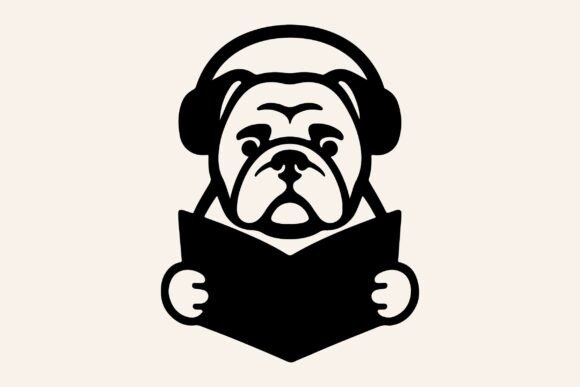
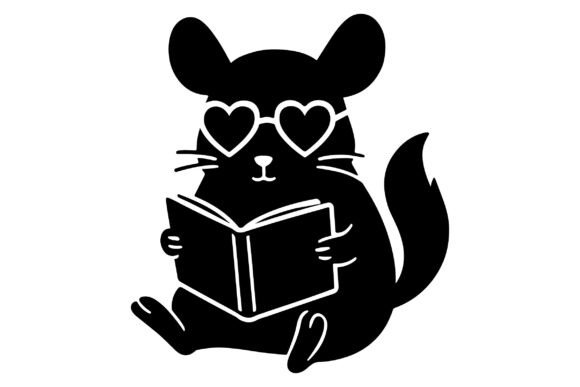
The moment you load Chinchilla Reading Book Clipart Vector, the mood is immediately established. It isn’t chaotic, loud, or overly complex. Instead, it exudes a quiet, cozy intelligence. For an embroiderer, this is gold. Complex, busy designs often get lost in the texture of fabric, especially when using standard polyester threads. This design, however, relies on clear shapes and a distinct narrative theme—a chinchilla engrossed in a book—that reads instantly, even from a distance.
From a graphic standpoint, as an Illustrations and Graphics asset, it possesses a clean vector quality. This matters because vectors scale without losing integrity. Whether you are planning a tiny embroidered patch for a denim jacket or a large wall hanging for a nursery, the lines remain crisp. The visual personality suggests a target audience that values education, comfort, and whimsy. It feels like a design that belongs in a coffee shop, a library, or a child’s bedroom. It has a "slow living" aesthetic that resonates deeply with current craft trends.
Real-World Application: From Digital File to Finished Product
Let’s talk about where this design shines. I recently considered using a similar motif for a custom order of personalized gifts for a local bookstore owner. Here is how Chinchilla Reading Book Clipart Vector fits into various project categories:
- Custom Apparel and Sweatshirts: This design works beautifully as a chest-sized logo on a heavyweight sweatshirt. The theme aligns perfectly with the "cozy knit" aesthetic popular among young adults. When stitched onto cotton fleece, the softness of the fabric complements the gentle nature of the subject matter.
- Tote Bag Design: A canvas tote featuring this chinchilla reading is a natural fit. It appeals to students, librarians, and book lovers. As an Etsy seller or small shop product, this is a high-demand niche. The design is simple enough to be produced quickly but unique enough to stand out against generic floral patterns.
- Baby Embroidery and Nursery Decor: The soft, rounded features of the chinchilla make it safe and appealing for baby items. Think onesies, burp cloths, or crib bumper accents. It adds a touch of sophistication to nursery decor that parents appreciate. It serves as a perfect personalized gift for a baby shower, signaling that the child will grow up loving literature.
- Embroidered Patches and Caps: If converted into an embroidered patch, this design would work well on the front panel of a baseball cap. However, care must be taken with the brim curvature (more on that below). It also makes for a charming accessory on a denim backpack or a apron for a baker who loves books.
- Kitchen Towels and Tea Towels: In the realm of home goods, this design brings warmth to the kitchen. A tea towel with this image is a thoughtful holiday embroidery gift. It transforms a utilitarian item into a keepsake.
Technical Considerations and Stitching Challenges
No design is perfect for every situation. As an experienced reviewer, I need to highlight where Chinchilla Reading Book Clipart Vector might require extra attention during the production phase.
Hoop Size and Density: Because this is a vector-based illustration, you must ensure your digitizing process (if converting) or printing setup respects the stitch density. If you are attempting a dense fill stitch over the entire character, you risk puckering the fabric, especially if using thin materials. For best results, use a combination of satin stitches for outlines and lighter fill stitches for the body. Always test the hoop size to ensure the design doesn’t feel cramped.
Fabric Texture and Contrast: The success of any machine embroidery design relies heavily on thread color contrast. On dark fabrics, you will need a heavy underlay or a backing layer to prevent the fabric color from showing through the threads. Conversely, on light fabrics, the design will pop, but you must choose thread colors that don’t blend too closely with the background. I recommend testing on scrap fabric first to check how the thread colors interact with the weave of your chosen material.
Small Details and Corners: While the overall shape is clear, check the finer details of the book pages or the chinchilla’s whiskers. In very small hoop sizes, these tiny elements can become muddy blobs of thread. If you are aiming for precision, simplify the design slightly or opt for a larger format. Avoid placing intricate parts of the design near edges where cutting or sewing might distort the image.
Stretchy and Curved Surfaces: Be cautious when applying this to stretchy knits or curved surfaces like caps. Without proper stabilizer support, the tension can warp the delicate lines of the vector art. Use a cut-away stabilizer for stretchy fabrics to maintain stability during washing and wear.
Practical Designer Notes for Success
To get the most out of this asset, follow these practical steps before committing to a final run:
- Test on Scrap Fabric: Never guess. Stitch the design on a piece of the same fabric you plan to use. Check for puckering, thread breaks, or misalignment.
- Check Black and White Mockups: Convert the design to grayscale to evaluate contrast. If the value range is too flat, adjust your thread selection to add depth.
- Review Licensing: Before selling finished product items or using this as design assets in a commercial craft business, verify the license terms. Ensure you are allowed to sell physical goods made from the digital embroidery file.
- Stabilizer Selection: Choose the right stabilizer. Tear-away for stable wovens, cut-away for knits and frequent washes.
- Commercial Viability: Consider how this fits your brand. Does it align with your brand consistency? If you sell quirky, bold items, this soft, literary vibe might feel out of place. If you sell cozy, intellectual, or child-focused goods, it is a perfect match.
Final Verdict on Value and Appeal
Chinchilla Reading Book Clipart Vector is more than just a pretty picture; it is a versatile tool for creative entrepreneurs. It offers high perceived value because it taps into emotional niches—comfort, learning, and nostalgia. For an Etsy seller or apparel decorator, it provides a ready-made solution for creating handmade products that feel curated and thoughtful.
The clarity of the vector ensures professional-looking results, provided the technical execution (stitching, stabilizing, hooping) is handled correctly. It avoids the trap of being too detailed to stitch or too simple to interest buyers. It sits in that sweet spot of approachable charm.
Whether you are creating a custom apparel line, designing printable mockups for digital planners, or making one-off personalized gifts for friends, this design holds its own. It conveys professionalism and care, which are key drivers for customer trust and engagement. If you are looking to add a touch of literary whimsy to your inventory, this is a smart, practical addition to your collection of graphics and illustrations.
Remember, the magic happens in the execution. Treat the design with respect, test thoroughly, and let the quality of your finish speak for itself. That is how you turn a simple vector into a best-selling embroidery project.