Highland Cow Clipart Vector Review
As a designer who spends half my day staring at stitch charts and the other half trying to convince clients that embroidery isn’t just for monograms, I approach every new Illustrations asset with a healthy dose of skepticism. We have all seen the endless scroll of generic clipart on marketplaces. But when I pulled up the Highland Cow Clipart Vector, I paused. There is something inherently charming about the subject matter—fluffy, rugged, and undeniably photogenic—but does it translate well into thread? Can it hold up as a viable machine embroidery design for a serious craft business, or is it just another pretty picture that falls apart under the needle?
I put this Graphics asset through its paces. I didn’t just look at the vector lines; I imagined it stitched onto various fabrics, tested its versatility for different product types, and evaluated its potential impact on your bottom line if you are an Etsy seller or running a small shop product operation. Here is my honest take on how this design performs in the real world.
The First Impression: Mood and Visual Personality
The immediate appeal of the Highland Cow Clipart Vector lies in its rustic warmth. In the current market, there is a massive demand for cottage-core aesthetics, farmhouse decor, and whimsical animal themes. This design taps directly into that trend without feeling overly cutesy or juvenile. The visual personality is balanced—it feels sturdy yet soft, which is exactly what you want when translating a bovine subject into textile art.
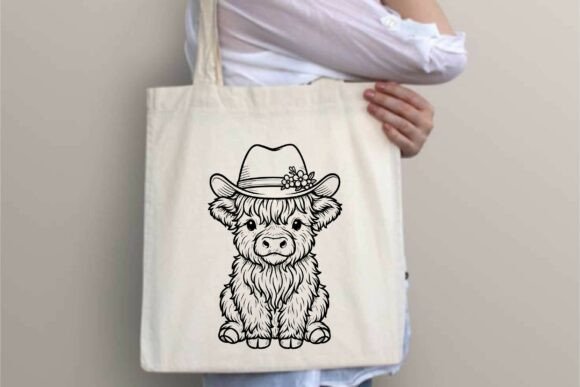
From a layout perspective, the composition works well for centered placements. Whether you are thinking about a classic chest placement on a sweatshirt embroidery project or a large, statement piece on a canvas tote, the negative space around the cow allows the eye to rest. It doesn’t feel cluttered. For a handmade product creator, this clarity is crucial because it ensures the focal point remains sharp even after the fabric has been washed and worn multiple times.
Real-World Application: Where Does It Fit?
I analyzed how this embroidery file might perform across several high-demand categories. The versatility here is surprisingly high, making it a strong candidate for a diverse inventory.
- Custom Apparel: On a heavyweight cotton sweatshirt, this design would pop beautifully. The thick yarn of the hoodie fabric can support the texture of the cow’s coat, allowing for rich thread colors like deep browns, creams, and slate grays. It creates a cozy, inviting vibe perfect for autumn and winter collections.
- Baby Embroidery: I immediately pictured this on a onesie or a muslin blanket. The softness implied by the vector lines translates well to baby items, provided the stitching isn’t too dense. It adds a touch of uniqueness to nursery decor that parents love, moving away from standard stars and moons.
- Tote Bag Design: Canvas bags are a staple for any craft business. A Highland cow on a natural jute or white canvas bag screams "boutique branding." It elevates a simple accessory into a fashion statement. When paired with a simple phrase or left as a standalone graphic, it serves as excellent design assets for gift-giving seasons.
- Embroidered Patch: If you plan to sell pre-made patches, this shape lends itself well to a circular or oval border. It makes for a great addition to denim jackets or backpacks, appealing to a younger demographic looking for personalized accessories.
Technical Considerations and Stitching Challenges
No design is perfect, and knowing where a design might struggle is just as important as knowing where it shines. As a reviewer, I must highlight specific areas where you need to exercise caution.
Small Hoop Sizes: If you attempt to digitize or use this as a tiny accent, be wary of losing detail. While the vector is clean, fine details in the fur texture or facial features can get lost if the hoop size is too small. Stick to medium-sized placements to maintain the integrity of the image.
Fabric Texture and Stability: The success of this project relies heavily on your choice of stabilizer. Because the design likely involves fill stitches to create the volume of the cow’s coat, you need a stable base. On stretchy fabrics like jersey knits, you must use a tear-away or cut-away stabilizer to prevent puckering. On textured fabrics like boucle wool, the needle might skip, so always do a test run on scrap fabric first.
Dense Stitch Areas: Pay close attention to the density settings. If the fill stitch is too tight, the fabric will pucker and the cow might look distorted. Conversely, if it is too loose, the underlying fabric may show through, ruining the visual appeal. Adjusting the stitch length and density is key to achieving a professional finish.
Color and Contrast Strategy
One of the most critical aspects of embroidery is contrast. The Highland Cow Clipart Vector works best when the thread colors stand out against the background. On dark fabric, you will need to use a lighter underlay or a contrasting outline to ensure the design doesn’t disappear into the material. On light fabrics, darker threads will provide a striking silhouette. I recommend testing your thread colors in black and white mockups before committing to a full production run. This helps you gauge the value contrast and ensures the design remains legible.
Commercial Viability and Brand Consistency
For those of us selling finished goods, the aesthetic consistency of our brand matters. This design fits seamlessly into a rustic, artisanal, or nature-inspired brand identity. It signals quality and attention to detail. When a customer sees a well-executed Highland cow on a kitchen towel or a pillow cover, they perceive higher value than they would with a poorly executed print.
Furthermore, this design is highly giftable. It appeals to a broad audience, from animal lovers to fans of Scottish heritage. This universality makes it a safe bet for holiday inventory. Whether you are creating holiday embroidery collections or year-round stock, the Highland cow is a timeless subject that rarely goes out of style.
Practical Designer Notes Before You Start
Before you upload this file to your machine or add it to your digital product library, keep these practical tips in mind:
- Test on Scrap Fabric: Never assume a design will work perfectly on your final product. Always stitch it out on a similar fabric type to check for tension issues.
- Check Licensing: Ensure you have the right to sell finished products made from this digital embroidery file. Commercial licenses vary, and protecting your commercial embroidery rights is essential.
- Inspect Small Details: Zoom in on the vector. Are there tiny elements that might not stitch well? Simplify if necessary to improve durability.
- Verify File Formats: Confirm that the ZIP folder contains formats compatible with your software and machine. Compatibility issues can waste valuable time.
Final Verdict
The Highland Cow Clipart Vector is a solid addition to any designer’s toolkit. It offers a charming, versatile aesthetic that translates well into various embroidery projects. From custom apparel to personalized gifts, it has the potential to drive engagement and sales. However, success depends on proper execution—choosing the right fabric, stabilizer, and thread colors. If you treat it with the respect it deserves, this design can become a standout item in your shop.
It is not just a cute picture; it is a functional, marketable asset. For the creative entrepreneur looking to expand their range with high-quality, emotionally resonant designs, this is a worthy investment of your time and resources. Just remember to test, refine, and present your finished product with pride.