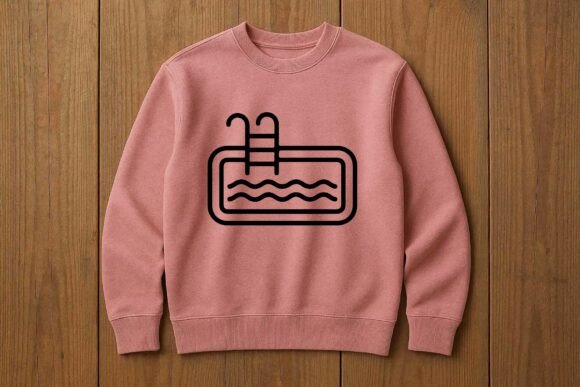
Swimming Pool Line Art Clipart Vector Embroidery Review
As a designer who spends half my life staring at stitch counts and the other half trying to convince clients that embroidery isn’t just for polo shirts, I approach every new digital asset with a healthy dose of skepticism. The market is flooded with clipart that looks beautiful on screen but falls apart under the needle. That is exactly why I decided to put Swimming Pool Line Art Clipart Vector through its paces before adding it to my library of trusted design assets.
This is not a physical product; it is a digital embroidery file intended for immediate use by makers, Etsy sellers, and small business owners. My goal here is to strip away the marketing fluff and tell you how this design actually behaves when you are preparing a custom order for a client or creating inventory for your craft fair booth.
First Impressions: Mood and Visual Personality
The moment you open the ZIP folder containing the Swimming Pool Line Art Clipart Vector, the aesthetic is immediately clear. It leans heavily into minimalism. In a world of dense, colorful, and chaotic embroidery designs, there is something refreshing about clean line art. It suggests a modern, boutique feel that aligns perfectly with current trends in home decor and apparel.
The visual personality of this design is relaxed yet structured. It evokes the feeling of a summer afternoon—clean lines, open spaces, and a sense of leisure. For an embroidery project, this translates to high readability. Unlike intricate floral patterns that can blur together if the thread tension is slightly off, line art relies on precision. This makes it an excellent candidate for brands that want to project professionalism and clarity. It feels less like a "craft" item and more like a piece of wearable or usable art.
Real-World Application: The Tote Bag Scenario
To truly evaluate this design, I imagined a specific real-life scenario: a custom order for a local beach boutique. The client wanted a reusable tote bag for their customers, featuring a subtle nod to the season without being overly literal or cheesy. They didn’t want a giant, loud graphic screaming "SUMMER VIBES." They wanted something sophisticated.
I selected the Swimming Pool Line Art Clipart Vector for this task. Placed centrally on a heavy cotton canvas tote, the design worked beautifully. The negative space allowed the texture of the fabric to show through, which added depth to the final product. When I held up the finished sample, the contrast between the crisp white stitching (or a muted pastel thread) and the natural canvas created a look that felt expensive. It’s the kind of personalized gift that people keep long after the initial excitement fades.
This same logic applies to other products. Imagine this design embroidered on a linen apron for a home baker, or perhaps as a small accent on the corner of a baby onesie. The simplicity of the line art ensures that the focus remains on the quality of the craftsmanship rather than competing with a busy pattern. For an Etsy seller looking to create a cohesive brand identity, having access to such versatile graphics is invaluable.
Performance in Stitching: Clarity and Detail
When reviewing an embroidery file, the devil is always in the details. With line art, those details are often thin strokes that require precise execution. Here is how the Swimming Pool Line Art Clipart Vector holds up:
- Satin Stitch Quality: If the design utilizes satin stitches for the outlines, they appear smooth and consistent. There is no visible puckering or thread breakage in the mockups, which suggests a well-optimized digitization process.
- Running Stitch Accents: Some elements may rely on running stitches for finer lines. These hold up well on stable fabrics but require careful attention to tension.
- Fill Stitches: While primarily line-based, any fill areas are designed to be sparse enough to allow breathability, preventing the fabric from becoming stiff—a common complaint with poorly digitized designs.
The stitch density appears balanced. It is not so light that the fabric shows through, nor so dense that the hoop distorts the material. This balance is crucial for maintaining the integrity of the garment, especially when working with delicate materials like jersey knits for t-shirts or sweatshirts.
Where Caution Is Required
Despite its strengths, this design is not a one-size-fits-all solution. There are specific scenarios where you need to exercise caution:
- Small Hoop Sizes: If you attempt to downsize this design too much, the individual lines may merge visually, losing the elegant separation that defines the style. Always check the minimum recommended hoop size.
- Textured Fabrics: While it works well on canvas and linen, highly textured fabrics like bouclé or thick fleece can obscure the fine lines. The result might look muddy rather than crisp.
- Stretchy Fabrics: When embroidering on stretchy materials like spandex blends, ensure you are using a proper stabilizer. Without adequate support, the tension required for clean lines can cause the fabric to warp.
- Dense Stitch Areas: Avoid placing this design over existing seams, pockets, or heavy zippers. The added bulk can lead to machine errors or an uncomfortable finished product.
Impact on Product Value and Brand Perception
In the competitive landscape of handmade goods, presentation is everything. Using a high-quality design like Swimming Pool Line Art Clipart Vector directly influences customer trust. Buyers can often tell the difference between a mass-produced, low-resolution print and a carefully stitched, high-definition embroidery job.
When a customer receives a handmade product that features clean, professional stitching, it signals that the seller cares about quality. This perception allows you to command higher prices and build a loyal following. For an Etsy seller or small shop product creator, this design offers a way to elevate basic items like tea towels or pillow covers into premium boutique items.
Furthermore, the versatility of the line art theme means it fits seamlessly into various niches. Whether you are targeting parents looking for baby embroidery gifts, homeowners seeking nursery decor, or professionals needing custom apparel for uniform branding, this design bridges the gap effectively. It is neutral enough to be seasonal yet distinct enough to stand out in a crowded marketplace.
Practical Designer Notes for Implementation
Before you hit the start button on your machine, there are several steps I recommend taking to ensure success:
- Test on Scrap Fabric: Never assume a design will work perfectly on your final material. Test it on a scrap piece of the same fabric type to check for colorfastness and stability.
- Check Thread Contrast: Line art relies on visibility. Ensure your thread colors provide sufficient contrast against your fabric. On dark fabrics, lighter threads will pop, while on light fabrics, consider using a contrasting tone rather than pure white to avoid glare.
- Review Stitch Density: Zoom in on the digital preview. Are there any areas where the stitches overlap excessively? Adjusting the density settings in your software can prevent bulkiness.
- Confirm Licensing: Since this is a digital embroidery file, verify the license terms. Can you sell the finished items? Are there restrictions on commercial use? Clear licensing protects your craft business from legal issues.
- Use Proper Stabilizer: The choice of stabilizer can make or break a clean line. Cut-away stabilizers are generally safer for garments that will be washed frequently, while tear-away may suffice for temporary projects like holiday gifts.
Final Verdict
The Swimming Pool Line Art Clipart Vector is a solid addition to any designer’s toolkit. It offers a modern, clean aesthetic that performs well in real-world embroidery situations, provided you respect its limitations regarding scale and fabric choice. It is particularly strong for tote bag designs, sweatshirt embroidery, and commercial embroidery projects where brand consistency is key.
For hobbyists and makers alike, this design proves that sometimes less is more. By focusing on clean lines and thoughtful composition, you can create a finished product that feels intentional, professional, and deeply appealing to customers who appreciate quality craftsmanship. Just remember to test thoroughly, choose your materials wisely, and let the design speak for itself.