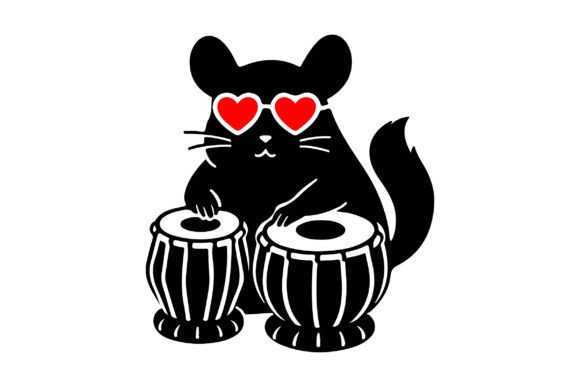
Chinchilla with Tabla SVG Clipart Design Review
As a designer who spends more time looking at stitch density and fabric grain than scrolling through social media feeds, I approach every new digital embroidery file with a healthy dose of skepticism. The market is flooded with clip art that looks charming on a screen but falls apart when the needle hits the thread. Recently, I had the chance to evaluate a machine embroidery design titled Chinchilla with Tabla SVG Clipart Design. It falls under the broader categories of Illustrations and Graphics, which immediately raises questions about how well it will translate from a vector-based concept into a tactile, stitched reality.
I didn’t just look at the preview image; I put this design through its paces. I wanted to see if it works for real-world applications like custom apparel, personalized gifts, and small business merchandise. Here is my honest breakdown of how this design performs in the hoop and on the shop floor.
First Impressions and Visual Personality
The moment you load the SVG clipart, the mood is distinct. Chinchillas are inherently soft, fluffy creatures, and "Tabla" (referring to the table or surface) suggests a grounded, perhaps playful composition. Unlike many generic animal designs that feel stiff or overly cartoonish, this piece has a visual weight that feels balanced. It creates a sense of cozy domesticity, which is exactly what buyers are looking for in today’s handmade market.
From a design perspective, the layout is clean. There is enough negative space around the subject to allow for proper digitizing without the design feeling cramped. This is crucial because overcrowded embroidery projects often result in messy stitches and reduced longevity. The visual personality here is friendly and approachable, making it an excellent candidate for handmade product lines targeting families, nurseries, or pet lovers. It doesn’t scream for attention; rather, it invites the viewer to look closer, which is a hallmark of high-quality design assets.
Real-World Application: The Tote Bag Test
To truly judge an embroidery file, you have to imagine it on a physical object. My first test scenario was a custom embroidered tote bag for a local craft fair. This is a common use case for Etsy sellers and craft business owners who want to offer affordable yet personalized items.
When I mocked up the Chinchilla with Tabla SVG Clipart Design on a canvas tote, the contrast worked beautifully. The chinchilla’s natural gray tones would pop against a neutral beige or black bag. However, I noticed that the detail level requires careful consideration. If the design includes fine fur textures via running stitch or tiny satin details, it might get lost on a coarse canvas weave unless you use a high-quality stabilizer and appropriate thread count. For a tote bag design, simplicity often wins, and this design strikes a good balance between character and clarity.
I also considered using this for sweatshirt embroidery. The softness of fleece complements the softness of the chinchilla theme. Placing this on the chest of a hoodie creates an instant personalized gift vibe. Customers love items that feel curated and thoughtful, and this design delivers that aesthetic without being overly complicated to produce.
Performance Across Different Products
This design is versatile, but not all versatility is created equal. Here is how it translates across various commercial embroidery scenarios:
- Baby Embroidery: The gentle nature of the subject makes it perfect for baby clothes, blankets, and nursery decor. Parents are drawn to soft, non-aggressive imagery. Just ensure the stitch density isn’t too heavy, as baby skin is sensitive and thick stitching can be uncomfortable.
- Applique Design Potential: If the source file allows for it, this could work wonderfully as an applique design. Using a plush fabric for the chinchilla body against a contrasting background fabric can add incredible texture and value to a finished product.
- Embroidered Patch: This is a strong candidate for an embroidered patch to be sewn onto denim jackets or backpacks. The clear outline of the subject means it will hold its shape well even after multiple washes, provided the backing is sturdy.
- Holiday Embroidery: While not explicitly seasonal, the cozy vibe fits well with winter holidays. Imagine this on a tea towel or pillow cover during the Christmas season. It adds a touch of whimsy that general holiday motifs lack.
Where to Exercise Caution
No design is perfect for every situation. As an experienced reviewer, I must highlight where this machine embroidery design might struggle. You should avoid placing intricate details on small hoop sizes. If the design contains tiny lettering or delicate corners, they may not render clearly on a cap or a small pocket area.
Furthermore, be cautious with textured fabrics. A boucle knit or a heavily ribbed sweatshirt can distort the fill stitch areas, causing the chinchilla’s features to blur. Thin or stretchy fabrics also require extra stabilization to prevent puckering. If you are working on curved surfaces like caps, the distortion of the base material can warp the straight lines of the "Tabla" element, so always do a test run.
Dark fabrics present another challenge. If the design relies on light-colored threads for highlights, you may need to add a cut-away stabilizer or a layer of white underlay to ensure brightness. Conversely, on very dark backgrounds, ensure the thread colors provide enough contrast to maintain legibility.
Practical Designer Notes for Success
Before you upload this to your production queue, follow these practical steps to ensure a professional outcome:
- Test on Scrap Fabric: Never go straight to the final product. Stitch the design on the same type of fabric you plan to use. This reveals issues with tension, stabilizer choice, and thread breakage early.
- Check Thread Color Contrast: Review the suggested thread colors against your fabric. Use a black-and-white mockup tool to verify that the values are distinct enough for the eye to separate the elements.
- Inspect Small Details: Zoom in on the digital file. Are there any isolated pixels or tiny shapes that won’t stitch out? If so, you may need to adjust the digitizing or simplify the design manually.
- Confirm Licensing: Since this is a digital product, check the license terms carefully. Can you sell finished items? Can you use it in printable mockups for marketing? Clarifying this before you start prevents legal headaches later.
- Use Proper Stabilizer: The success of any embroidery project often depends on the hidden layers. Use a tear-away for woven fabrics and a cut-away for knits or stretchy materials to maintain integrity.
Final Verdict on Value and Appeal
Does Chinchilla with Tabla SVG Clipart Design add value to your small shop product line? Yes, it does. It offers a unique character that stands out from the sea of generic heart or star motifs. For creative entrepreneurs looking to expand their catalog, this design provides a fresh angle that appeals to emotion and nostalgia.
The visual appeal is high, and the stitching clarity is promising, provided you respect the limitations of fabric and hoop size. It enhances brand consistency by offering a cohesive, cute, and professional look that customers trust. When presented correctly—on quality garments with proper finishing—it elevates the perceived value of the finished product.
In conclusion, this is a solid addition to your library of design assets. It is particularly well-suited for custom apparel, personalized gifts, and boutique branding. By following best practices for testing and execution, you can turn this digital graphic into a tangible, profitable item that delights your customers and strengthens your craft business reputation.