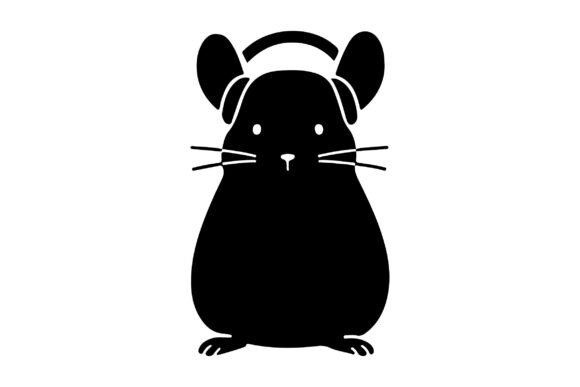
Chinchilla SVG Clipart Sublimation Review
As a designer who spends more time than I care to admit staring at stitch lines and debating thread tension, I approach every new embroidery file with a mix of optimism and skepticism. The market is flooded with digital assets, but few actually translate well from a screen to the fabric under the needle. Recently, I evaluated a design titled Chinchilla SVG Clipart Sublimation. While the title suggests a sublimation print, the format and my intended use case placed it firmly in the realm of machine embroidery for custom apparel and handmade products. This review breaks down how this specific piece holds up when moved from a static graphic to a tactile, stitched reality.
First Impressions and Visual Personality
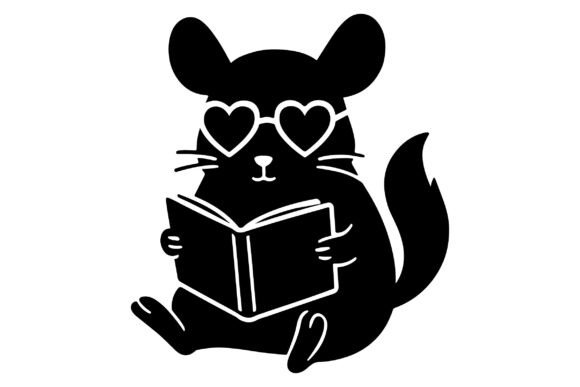
The moment you open the ZIP folder containing the digital embroidery file, the first thing that strikes you is the clean line work. Chinchillas are inherently soft creatures, defined by their dense fur and expressive eyes. A poor vector interpretation can look jagged or cartoonish, which often translates poorly into embroidery. However, this design manages to capture a sense of whimsy without sacrificing structural integrity. It feels less like a rigid clipart image and more like a hand-drawn illustration, which gives it significant character.
For an Etsy seller or small shop product owner, this visual personality is gold. It doesn’t scream "corporate logo"; instead, it whispers "personalized gift." The layout is balanced, leaving enough negative space around the subject to allow for effective placement on garments or accessories. It creates a mood that is cozy, gentle, and inviting—perfect for the current trend toward comfort-focused fashion and nursery decor.
Real-World Application: The Tote Bag Scenario
To truly test a design, you have to put it to work. I imagined using this machine embroidery design for a custom embroidered tote bag, a staple item for craft fairs and boutique branding. Here is how the design performs in that context.
When placed centrally on a canvas tote, the chinchilla becomes the focal point. Because the design relies on clear outlines rather than overly complex internal shading, it reads well even from a distance. Customers walking past a booth will immediately recognize the subject. The simplicity of the shape allows the quality of the stitching to shine. If executed correctly, the satin stitch outlining the chinchilla provides a crisp, professional edge that signals high value to the buyer.
This approach works equally well for other items. Imagine this design stitched onto the chest of a crewneck sweatshirt for a winter collection, or centered on a baby onesie. The theme aligns naturally with themes of softness and care. For a handmade product maker, this versatility means one purchase of the design assets can yield multiple revenue streams, from custom apparel to home goods like pillow covers or tea towels.
Technical Considerations for Embroidery Designers
While the visual appeal is strong, translating this to the hoop requires practical judgment. Not all fabrics play nice with all designs. Here are the critical factors to consider before running this through your machine.
Fabric Compatibility
This design looks best on stable, woven fabrics. Cotton blends, denim, and canvas provide the necessary structure to support the stitches without pucker. Avoid highly textured fabrics like heavy bouclé or loose-weave linens unless you are experienced with stabilizing difficult materials. The delicate details of the chinchilla’s face could get lost or distorted on a surface that lacks uniformity. Additionally, be cautious with stretchy knits; if the stitch density is too high for a jersey knit, you risk warping the garment. Always use a proper stabilizer cut-away backing for these types of projects to maintain longevity.
Hoop Size and Detail Resolution
One area where designers must be vigilant is small detail retention. If you plan to scale this design down significantly—for instance, to create a tiny embroidered patch or a button-sized accent—you need to inspect the file closely. Tiny curves can merge together during digitization if the resolution isn't sharp. I recommend testing the design in black and white mockups first to ensure the contrast between the chinchilla and the background remains distinct. If the design includes fine text or tiny whiskers, verify that your machine can handle the required precision. For most standard hoop size applications (4x4 or 5x7 inches), the design should hold its shape beautifully, provided the thread colors offer sufficient contrast against the fabric.
Thread Colors and Aesthetic Impact
The success of any embroidery project often hinges on color choice. Since this is a graphics-based source, you have the freedom to choose threads that match your brand palette or the customer’s preference. For a classic look, off-white or cream threads on a navy or charcoal background will make the chinchilla pop. Alternatively, using pastel threads on light cotton creates a softer, more ethereal effect suitable for nursery decor.
Consider the finish as well. If you are aiming for a premium feel, mixing thread types can add depth. Using a slightly lustrous polyester thread for the outline and a matte cotton for fill areas (if applicable) can give the finished product a luxurious texture. However, keep in mind that excessive variation in thread sheen can sometimes distract from the overall shape. Consistency is key for a clean, professional presentation.
Where to Use Caution
There are certain scenarios where this design might not be the ideal fit:
- Dense Stitch Areas: If the original digitization packs too many stitches into a small area, it may become stiff and uncomfortable to wear, particularly on baby clothes or delicate scarves.
- Curved Surfaces: While feasible on caps, the flat nature of some clipart styles can look disjointed on highly curved surfaces like baseball caps unless specialized curvature techniques are used.
- Dark Fabrics: Ensure your chosen thread colors have enough opacity. Light-colored threads on dark backgrounds require good coverage to avoid a "see-through" effect.
Commercial Viability and Customer Trust
For the craft business owner, the question isn't just "does it look good?" but "will customers trust it?" High-quality embroidery conveys professionalism. When a customer receives a personalized gift or a finished product with neat, consistent stitches, they associate that quality with your entire brand. A sloppy execution can undermine the perceived value of the item, no matter how cute the design is.
This Chinchilla SVG Clipart Sublimation offers a safe bet for commercial use because it avoids overly trendy or niche aesthetics that might fade quickly. Its broad appeal makes it suitable for seasonal sales, such as holiday embroidery gifts or spring-themed baby showers. By offering this design on various mediums—from tote bag design variations to sweatshirt embroidery—you demonstrate versatility and attention to detail.
Final Verdict
Overall, this design is a solid addition to any embroidery project library. It balances charm with technical feasibility, making it accessible for hobbyists while still being attractive enough for serious commercial embroidery ventures. My advice is simple: always test on scrap fabric first. Check the thread colors, confirm the hoop size fits your vision, and inspect the small details for clarity. If those checks pass, you have a winning asset that can elevate your small shop product lineup and delight your customers.